
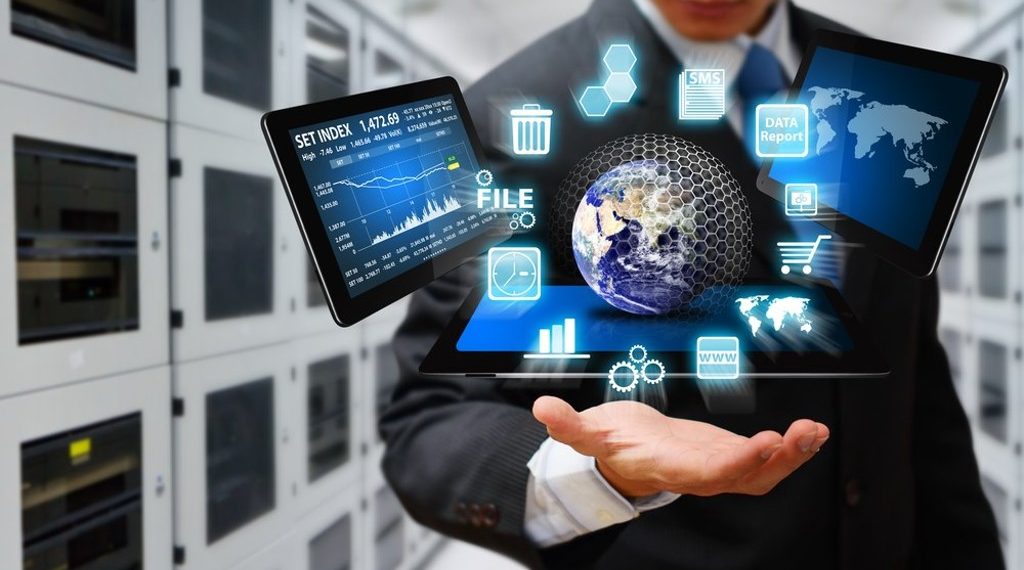
Technology has transformed human civilization at a pace unprecedented in history. The smartphone in your pocket contains more computing power than the systems that guided astronauts to the Moon. The internet connects billions of people instantly across continents. Artificial intelligence systems can recognize faces, translate languages, and drive cars. Yet most people take these miracles of engineering for granted, using them daily without understanding the remarkable innovations that make them possible. These facts reveal the incredible journey of technological progress and hint at the even more dramatic changes coming in the years ahead as innovation continues accelerating at exponential rates.
The Astonishing Power of Modern Computing
The computing power available to average consumers today would have seemed like science fiction just decades ago. According to information from Apple , modern smartphones contain billions of transistors, with each one switching millions of times per second to process information. To put this in perspective, a typical smartphone has more computational capability than all of NASA’s computers combined during the Apollo 11 mission that first landed humans on the Moon in 1969.
This exponential growth in computing power follows a pattern known as Moore’s Law, which observed that the number of transistors on integrated circuits doubled approximately every two years. While this trend has slowed somewhat as we approach physical limits of how small transistors can be made, computing power continues advancing through new architectures and technologies. Modern processors can perform trillions of calculations per second, enabling everything from realistic video game graphics to complex scientific simulations that help us understand climate change and develop new medicines.
Research from Intel demonstrates how processor designs have evolved from simple chips with thousands of transistors to today’s monsters containing tens of billions. Each generation brings not just more transistors but smarter designs that process information more efficiently. Multi core processors handle multiple tasks simultaneously, while specialized chips optimize for specific functions like graphics rendering or machine learning calculations. This specialization allows modern devices to perform increasingly complex tasks while using less power than their predecessors.
The Massive Scale of the Internet
The internet has grown from a military research project connecting a handful of computers to a global network that fundamentally shapes modern civilization. Internet World Stats reports that over 5 billion people worldwide now use the internet, representing more than 60% of the global population. This connected network enables instant communication, access to vast information resources, and economic opportunities that were unimaginable to previous generations.
Every minute on the internet sees staggering amounts of activity. According to data from Statista, approximately 500 hours of video are uploaded to YouTube every minute, making our earlier article on most interesting YouTube facts even more relevant. Simultaneously, users send roughly 200 million emails, perform millions of Google searches, and share countless social media posts. The scale of data generation has exploded, with estimates suggesting that 90% of all data in the world was created in just the last two years. This information explosion presents both opportunities and challenges as we struggle to manage, analyze, and extract value from this flood of data.
The physical infrastructure supporting the internet spans the globe in ways most people never consider. Hundreds of underwater cables crossing oceans carry the vast majority of international internet traffic, with each cable capable of transmitting terabytes of data per second. Data centers housing millions of servers consume enormous amounts of electricity to keep the internet running 24 hours a day. Cloud computing services allow users to access powerful computers and vast storage without owning the physical hardware, fundamentally changing how businesses and individuals use technology.
Revolutionary Historical Innovations
Looking back at technology’s history reveals fascinating stories behind innovations we now take for granted. The first computer mouse was made entirely of wood, created by Douglas Engelbart in 1964 as documented by the Computer History Museum. This simple carved wooden box with two metal wheels revolutionized how humans interact with computers, leading to the graphical user interfaces that make modern computing accessible to billions of people.
The @ symbol, now ubiquitous in email addresses and social media handles, was chosen almost by accident. Ray Tomlinson selected it in 1971 when creating the first email system simply because it was unlikely to appear in anyone’s name and was available on keyboards. This arbitrary choice became one of the most recognized symbols in the digital world, appearing billions of times daily in electronic communications across the globe.
One of the most amusing origin stories in technology involves the first webcam, created at Cambridge University in 1991. According to reports from Wired, researchers set up the camera not for video conferencing or surveillance but to monitor a coffee pot. Computer scientists working in different parts of the building were tired of walking to the break room only to find the coffee pot empty, so they created a system allowing them to check coffee availability without leaving their desks. This quirky solution to a mundane problem pioneered technology now used for video calls connecting families across continents and enabling remote work for millions.
Technology Integrated Into Daily Life
Modern technology has woven itself so thoroughly into daily routines that we often don’t notice how dependent we’ve become. Research from Pew Research Center shows that the average person checks their phone 96 times per day, roughly once every 10 minutes during waking hours. This constant connectivity keeps us informed and connected but also raises questions about attention spans, privacy, and the psychological effects of always being reachable.
Smart home technology transforms houses into responsive environments that adapt to occupants’ needs and preferences. Thermostats learn temperature preferences and adjust automatically. Lighting systems respond to voice commands or presence detection. Security systems send alerts to smartphones when detecting unusual activity. Voice assistants field questions, control entertainment systems, and manage shopping lists. Forbes reports that the smart home market continues expanding rapidly, with millions of households adopting connected devices that promise convenience while raising new concerns about data privacy and security vulnerabilities.
Wearable technology monitors health metrics continuously, tracking everything from steps walked to heart rate patterns and sleep quality. These devices detect irregular heartbeats, remind users to move after sitting too long, and help people make informed decisions about their health and fitness. Some wearables can detect falls and automatically call for help, potentially saving lives. The data collected provides insights into personal health trends while also contributing to medical research when users choose to share anonymized information.
For more on how technology intersects with human psychology and behavior, our article on most interesting psychology facts explores the mental aspects of our relationship with digital devices.
Emerging Technologies Reshaping the Future
Several emerging technologies promise to revolutionize different aspects of life in coming years. Quantum computing represents a fundamental leap beyond traditional computing, using quantum mechanical properties to solve certain problems exponentially faster than any conventional computer could. According to analysis from Gartner, while practical quantum computers remain in development, they could eventually crack currently unbreakable encryption, simulate complex molecular interactions for drug discovery, and optimize logistics in ways that save billions of dollars and reduce environmental impact.
Fifth generation cellular networks, commonly called 5G, deliver wireless internet speeds rivaling or exceeding home broadband connections. This increased bandwidth and reduced latency enables new applications from augmented reality experiences to remote surgery where doctors operate on patients thousands of miles away using robotic arms controlled over cellular networks. The rollout of 5G networks globally continues, with each phase unlocking new possibilities for connected devices and services.
The Internet of Things describes the growing network of physical objects embedded with sensors and connectivity. Everything from refrigerators that track food inventory to industrial machinery that predicts its own maintenance needs to agricultural sensors that optimize irrigation contributes to this connected ecosystem. Estimates suggest tens of billions of IoT devices will be deployed globally within the next few years, generating massive amounts of data while enabling automation and efficiency improvements across countless industries.
To understand how artificial intelligence enhances these technologies, check out our detailed exploration in most interesting AI facts, and for insights into how space technology pushes boundaries, see most interesting space facts.
Communication Technology Evolution
The evolution of communication technology shows how rapidly innovation can transform society. The first telephone call occurred in 1876, with Alexander Graham Bell speaking to his assistant in the next room. Just over a century later, mobile phones became common, freeing communication from physical wires. Now smartphones combine communication with computing, photography, navigation, and countless other functions in devices that fit in pockets.
Video calling technology that once required expensive specialized equipment and dedicated high bandwidth connections now works reliably on smartphones over cellular networks. The COVID pandemic accelerated adoption of video conferencing for work, education, and social connection, making tools like Zoom and Teams household names virtually overnight. This rapid shift demonstrated technology’s ability to enable continuity during disruption while also highlighting digital divides affecting those without reliable internet access.
Social media platforms have created new forms of communication and community, connecting people with shared interests regardless of geographic distance. These platforms enable movements to organize, allow creators to find audiences, and let businesses reach customers directly. However, they also raise concerns about misinformation spread, privacy violations, mental health impacts, and the concentration of power in the hands of a few large technology companies.
Transportation Technology Advances
Transportation technology has progressed from horse drawn carriages to electric vehicles that can drive themselves. Modern cars contain dozens of computers managing everything from engine performance to safety systems that can automatically brake to avoid collisions. Electric vehicles promise to reduce emissions while offering performance that often exceeds traditional combustion engines, with instant torque delivery and silent operation changing the driving experience fundamentally.
Autonomous vehicle technology continues advancing despite challenges in handling unpredictable real world situations. Self driving cars use combinations of cameras, radar, lidar, and sophisticated software to perceive their environment and navigate safely. While fully autonomous vehicles remain primarily in testing, features like adaptive cruise control, lane keeping assistance, and automatic parking already assist drivers in millions of vehicles on roads today.
Aviation technology has made air travel safer and more efficient than ever before. Modern airliners use advanced materials, efficient engines, and sophisticated flight management systems to transport hundreds of passengers across continents using less fuel per passenger mile than driving. Developments in electric and hybrid aircraft promise to reduce aviation’s environmental impact, though significant technical challenges remain in creating batteries light enough yet powerful enough for large aircraft.
The Digital Divide and Access Challenges
Despite technology’s benefits, significant gaps remain in access and digital literacy. Billions of people still lack reliable internet access, limiting their ability to participate in the digital economy, access online education, or benefit from telemedicine and other online services. This digital divide often follows existing economic and geographic inequalities, with rural areas and developing nations facing particular challenges in infrastructure deployment.
Even in developed nations with widespread internet availability, disparities exist in connection quality and device access. High speed broadband reaches most urban and suburban areas but remains unavailable in many rural regions. Some families cannot afford devices or internet subscriptions that have become essential for education and employment. The pandemic highlighted these gaps when schools shifted online, leaving students without adequate technology at severe disadvantages.
Addressing these challenges requires coordinated efforts involving governments, technology companies, and communities. Various initiatives aim to extend internet access to underserved areas through technologies like satellite internet, expanded cellular coverage, and community networks. Programs providing subsidized devices and internet service help low income families stay connected. Digital literacy education helps people develop skills needed to use technology effectively and safely.
Looking Forward
Technology continues evolving at an accelerating pace, with innovations building on previous breakthroughs to enable capabilities that seem magical. The convergence of artificial intelligence, ubiquitous connectivity, advanced materials, and other technologies creates possibilities that were pure fantasy just years ago. Understanding these technological facts helps us appreciate how far we’ve come while preparing for transformations still ahead as innovation reshapes every aspect of human civilization.
The relationship between technology and society grows more complex as digital systems become more integrated into daily life. Balancing innovation’s benefits with concerns about privacy, security, environmental impact, and social effects represents one of our generation’s great challenges. Yet history suggests humanity’s ability to adapt and harness new technologies for positive purposes, using tools to solve problems and improve lives in ways previous generations could never imagine.